

Chile – The Economics of Water Security
Chile is entering a new era of water security. From desalination and water reuse to basin-level governance and private investment, the country is moving beyond water allocation towards building long-term resilience. This article explores the economic, regulatory and infrastructure challenges shaping Chile’s second water revolution.
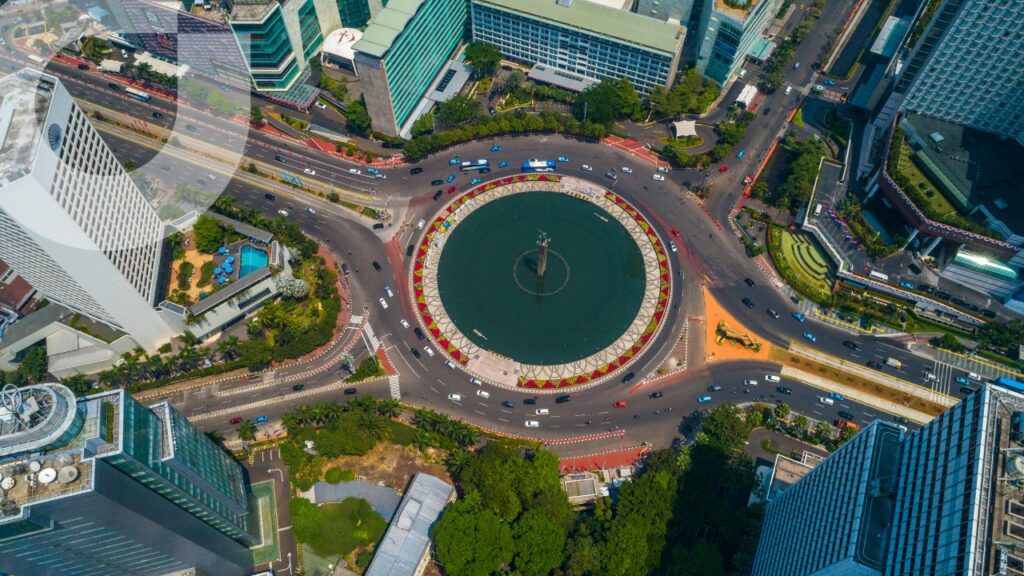
Indonesia’s Water Gap: Where Urgent Social Need Meets an Investment Opportunity
Indonesia’s water challenge goes far beyond infrastructure. With major gaps in safely managed water and sanitation, ambitious government targets and more than US$13 billion in investment needs, the country is emerging as a compelling test case for how private capital, technology and better utility economics can turn urgent social needs into bankable water infrastructure opportunities.
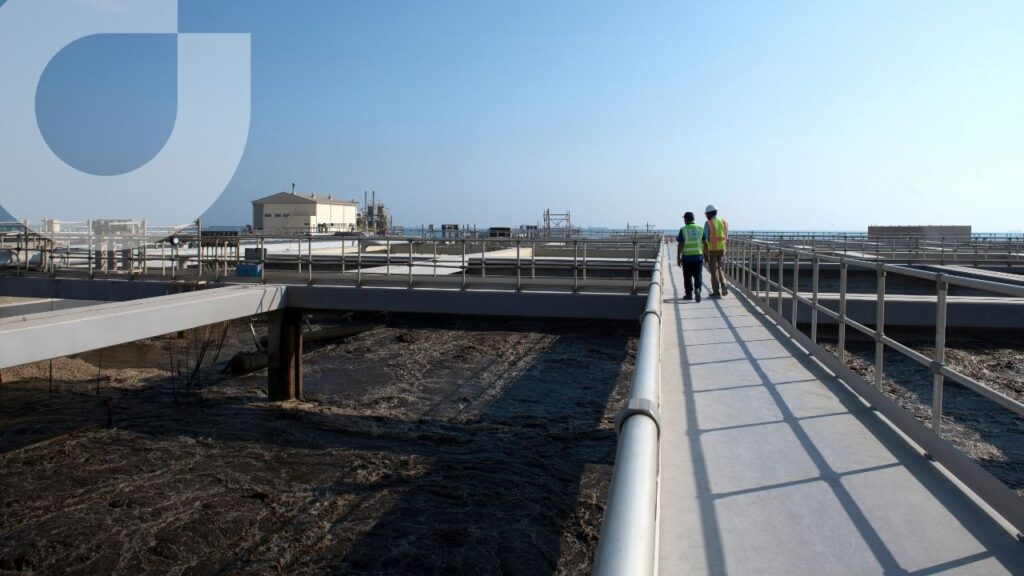
The Next Phase of the Water Services Industry: Why Scale Has Become a Strategic Advantage
As water risks become more complex, scale is emerging as a strategic advantage. The next wave of consolidation will be driven not by geographic expansion alone, but by the need to integrate local expertise, technology, finance and operational excellence into more resilient water platforms.
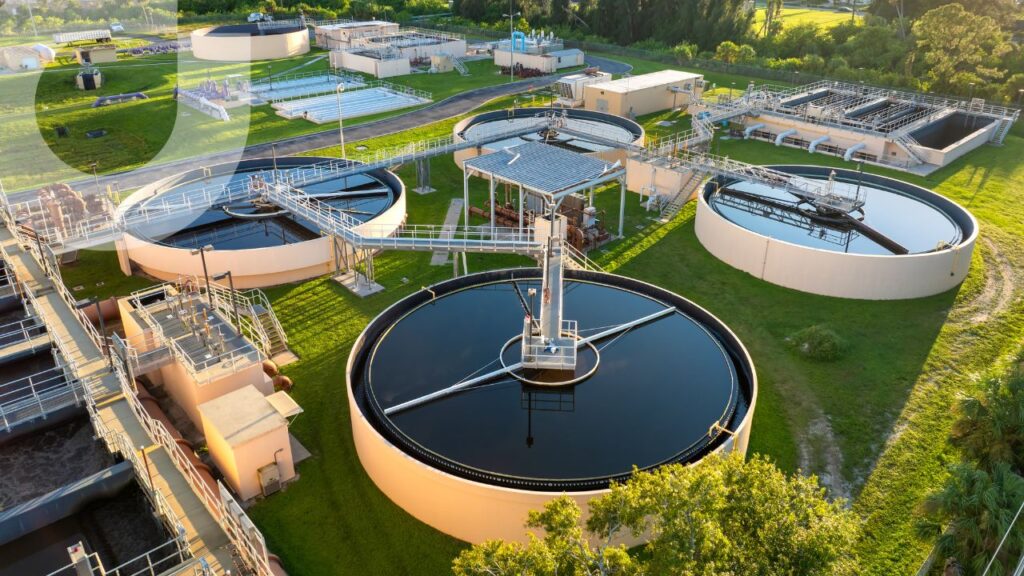
Water’s New Multiple: From Defensive Yield to Strategic Resilience
Water is evolving from a defensive infrastructure asset into a strategic resilience platform. As scarcity, climate volatility, regulation and industrial demand reshape the sector, the investment thesis is shifting toward companies capable of turning water risk into scalable, resilient growth.
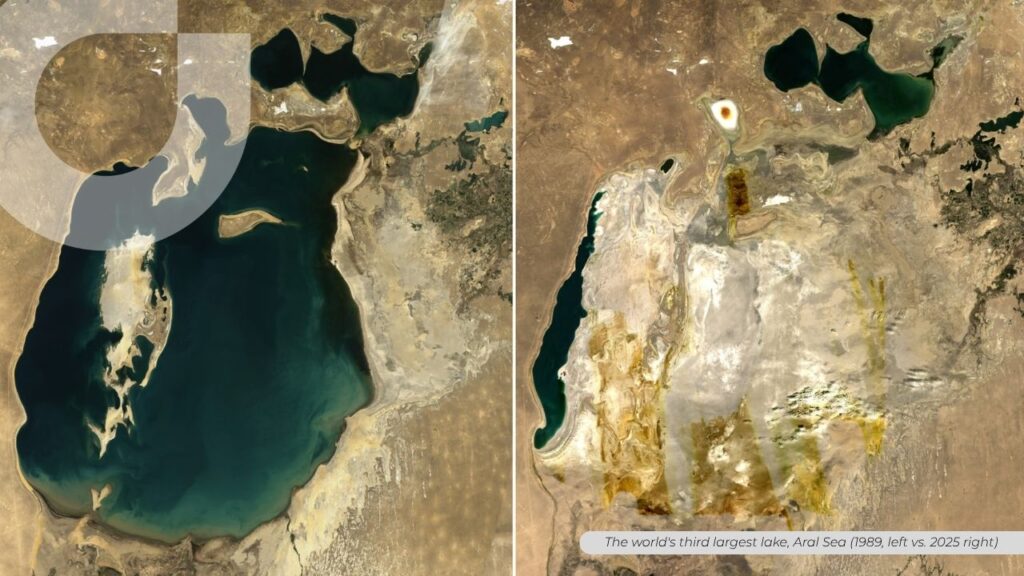
Water Bankruptcy Is Real—But Capital Isn’t the Constraint
Water scarcity is no longer just an environmental challenge, it is a question of execution. As the UN warns of “water bankruptcy,” the real constraint is not capital availability but our ability to turn investment into resilient, scalable and investable water solutions.
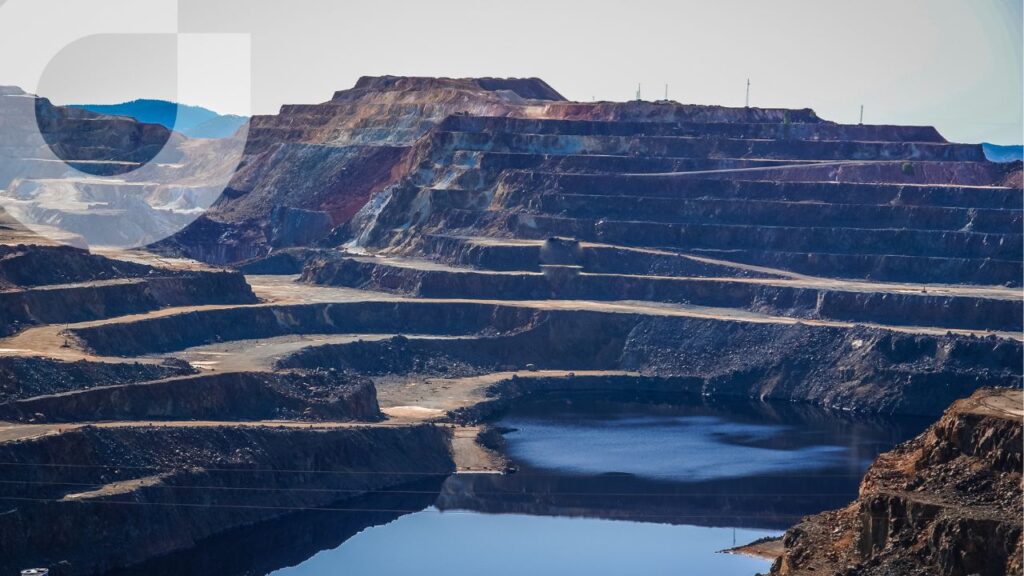
Resource Risk Is Real. Relocation Risk Makes It Strategic.
Water risk is not just an ESG issue; it is a strategic constraint tied to the local realities of each basin. Unlike other resources, water cannot be easily relocated or substituted, making industries and cities highly dependent on the resilience of the territories where they operate. As scarcity and volatility increase, water risk becomes a direct threat to operational continuity, asset value, and long-term competitiveness.
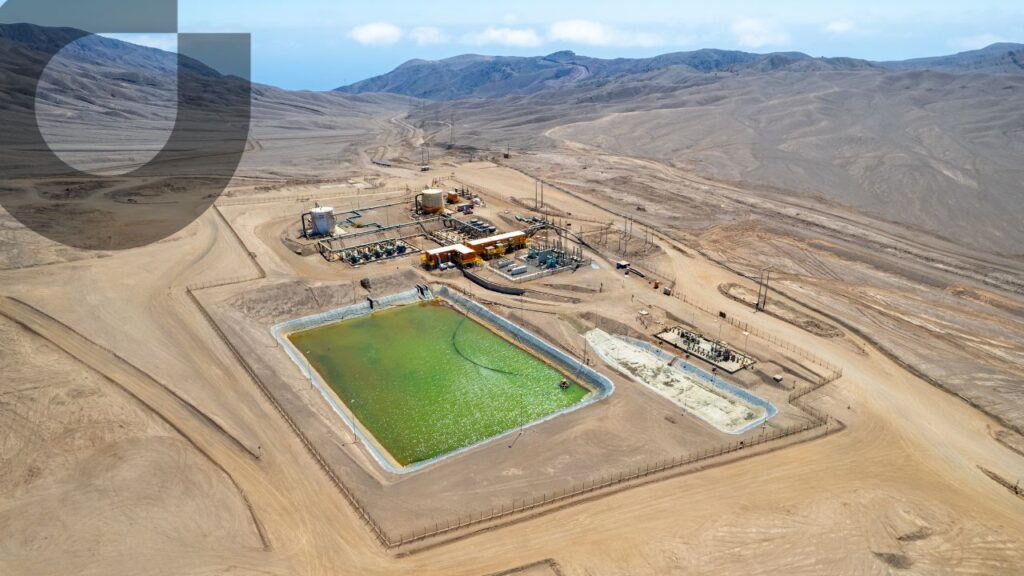
Water as a Strategic Asset: Externalising the Value Chain Is Here to Stay
Water is no longer a peripheral resource for heavy industry—it has become central to core operations. Companies like Antofagasta Minerals and Saudi Aramco are moving away from owning and operating their own water infrastructure, instead partnering with specialised providers under long-term agreements. This shift allows them to secure reliable, scalable water supply while focusing on their primary business activities and allocating capital more efficiently.

Water Needs its Artemis Moment
The launch of Artemis II in 2026 demonstrates that when societies define a clear goal, commit to a long‑term horizon, and align public, private, and scientific capabilities, they can still deliver complex outcomes at scale. Beyond space exploration, Artemis offers a critical lesson for Earth: ambition only becomes real when it is organised. This insight is particularly relevant for water.
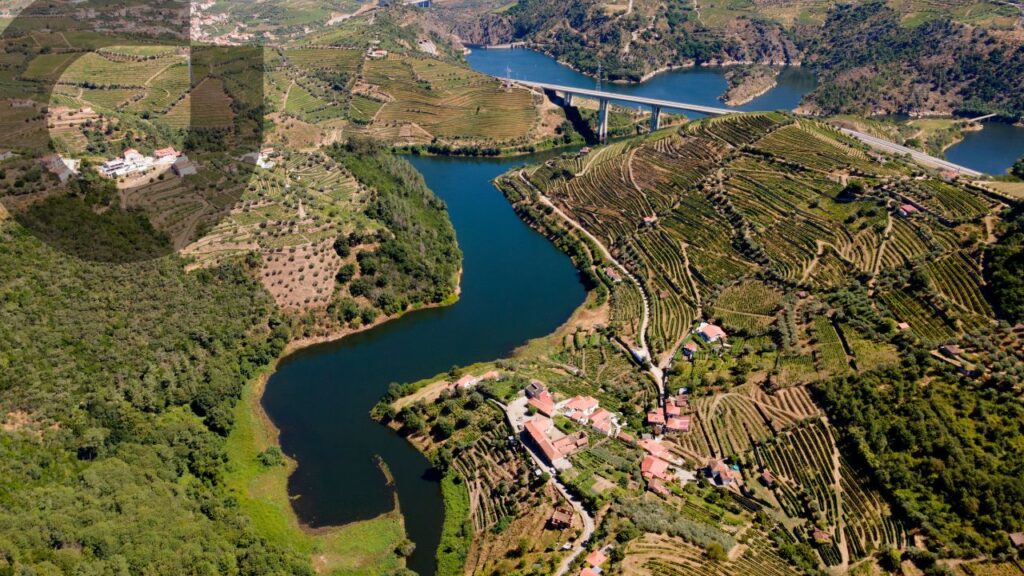
The WFD Turns 25: Time to Scale What Works—and Fix What Doesn’t
Europe’s Water Framework Directive turns 25 with a mixed record: a robust governance model, but slow delivery on outcomes. The real challenge now is not redesigning policy, but scaling execution—aligning funding, incentives, and cross-sector action to turn river basin plans into measurable impact.
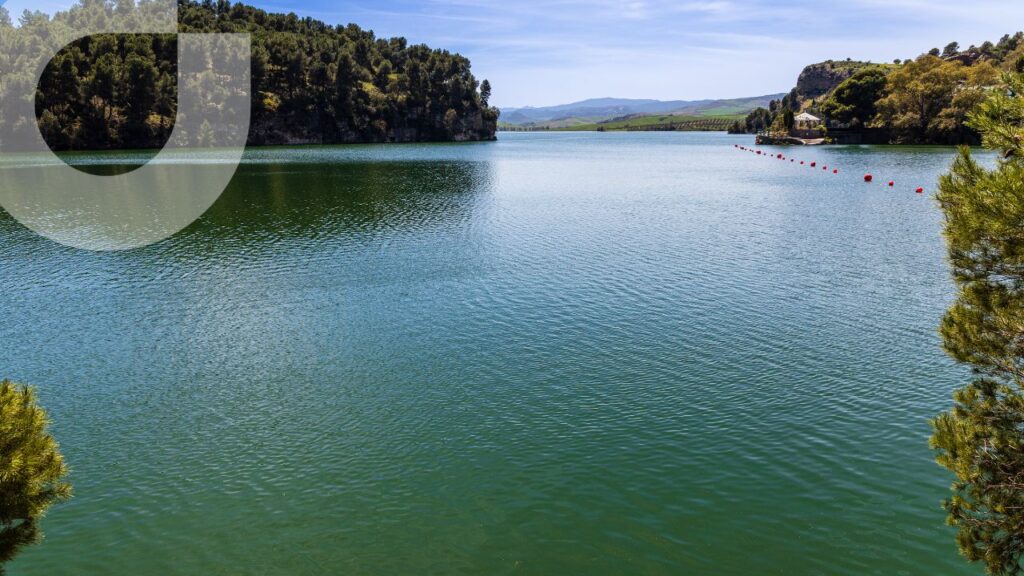
Floods: Why Spain’s Exceptional Rains Don’t Resolve Long-Term Water Scarcity
Spain’s recent wave of exceptional rainfall has brought much-needed relief after years of drought. Reservoirs are filling and restrictions may ease. Yet this meteorological episode does not resolve the country’s structural water scarcity. As extreme rainfall events intensify under climate change, the challenge is not simply how much rain falls, but how water systems capture, manage, and store it. Spain’s experience illustrates a broader lesson: floods can relieve short-term pressure, but long-term resilience depends on infrastructure, governance, and investment in smarter water management.

When Water Meets Law: Structuring Complexity for a Water-Stressed World
Water infrastructure is no longer shaped by engineering alone. In a climate-volatile and financially complex world, contracts have become the true operating system of cooperation between public authorities, financiers, and private operators. As water projects integrate blended finance, digital intelligence, and multi-dimensional performance metrics, the legal architecture behind them must evolve from static risk allocation to adaptive governance. The future of water will be built not only in treatment plants and desalination facilities, but in the legal frameworks that design resilience.

When Capitals Run Dry: Water as the New Geography of Investment
From Tehran to Jakarta, and Cairo to Lagos, national capitals are confronting a new reality: their future depends not only on political will or economic strength, but on their ability to secure water. This article explores how water scarcity and climate stress are forcing countries to rethink urban planning, relocate capitals, and redefine the meaning of capital investment. For policymakers and investors alike, this is not just a crisis—it’s an opportunity to build resilience and unlock the next frontier of sustainable infrastructure.

Investing in Water: Turning Impact into Measurable Outcomes
Water investment is no longer a niche, it’s a necessity. This article explores how impact and outcome-oriented investing can unlock scalable, measurable, and financially sound solutions to one of the world’s most urgent sustainability challenges. With insights into regulatory complexity, blended finance, and technological innovation, it positions water as a resilient, undercapitalized, and essential asset class.

Guaranteeing Water’s Future: Rethinking Risk and Finance in Emerging Markets
Guarantees are reshaping the landscape of water finance in emerging markets. With multilateral development banks increasingly deploying risk-sharing instruments, the sector is witnessing a shift from sovereign dependence to a model of shared risk and private participation. To unlock the trillions needed for SDG 6, guarantees must evolve—from project-based tools to portfolio-level, market-deepening, and performance-linked instruments, integrated with hydrological and governance frameworks.

Two Billion Denied: The Hidden Logics of Water Inequity
Despite progress towards SDG targets, 2.1 billion people still lack access to safe drinking water. This article uncovers the structural, spatial, and financial inequities behind the global water crisis and proposes a systems-integrated response—aligning WASH with water resource management, financing, and governance reform.
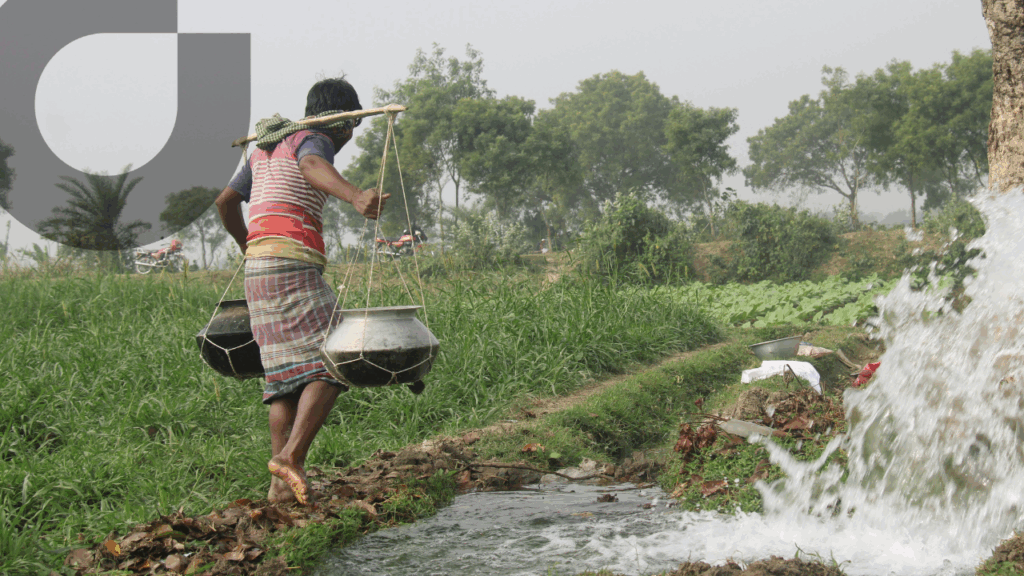
Blue Commitments, Real Gaps: Water Lessons from the HLPF and SDG Business Forum
At the 2025 HLPF and SDG Business Forum, water featured prominently in speeches and pledges. But behind the bold commitments lies a pressing concern: are we measuring progress by coverage alone? This article calls for a shift toward service reliability, systemic integration, and equitable private-sector engagement to truly advance global water access.

Threading the Needle: Water Risks and Sustainable Water Use in the Textile Industry
The textile industry is both a major consumer and polluter of water, placing increasing pressure on local ecosystems and communities. As water scarcity and climate change intensify, responsible water management and circular practices are no longer optional — they are essential for the future of fashion.

Redefining Resilience in Desert Nations: Strategic Water Solutions for the Sustainable Transition in the Middle East
The Middle East is transforming water scarcity into opportunity. Through public-private partnerships, smart desalination, and bold governance reforms, countries like Saudi Arabia and the UAE are reshaping water resilience as a pillar of economic diversification, climate strategy, and regional diplomacy.
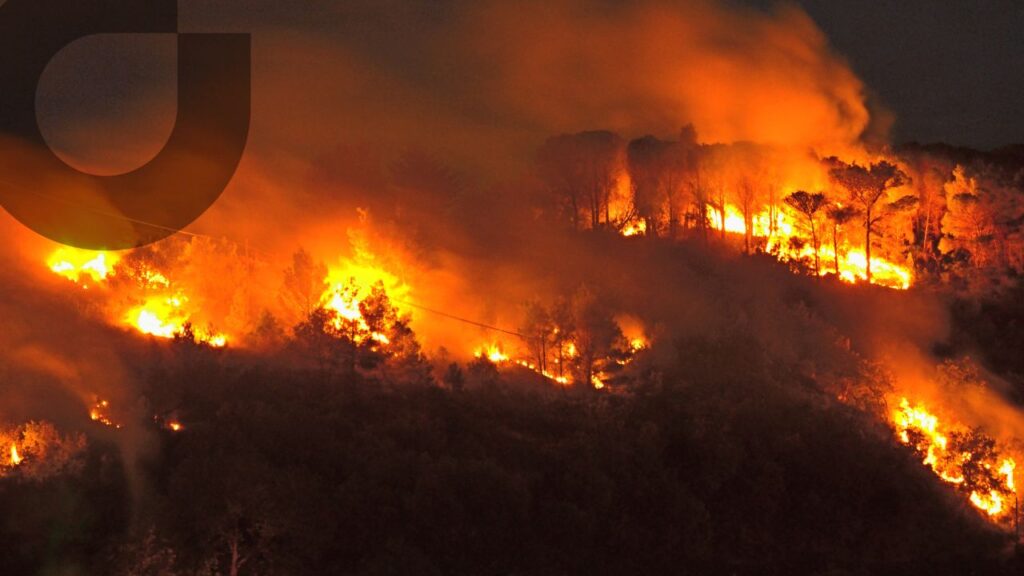
Fighting Fire with Water: The Global Shift from Reaction to Prevention
Every year, wildfires burn with greater force. The real solution is prevention, not reaction. By placing water management and active forest stewardship at the center of our strategies, we can transform vulnerable landscapes into resilient ecosystems.
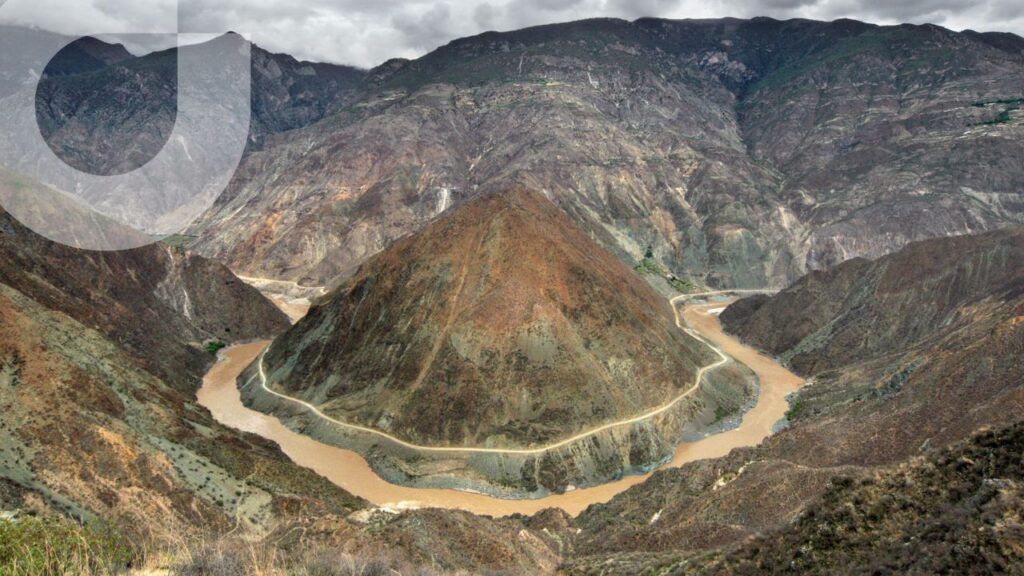
The Need for Proactiveness: Confronting Global Drought Risk with Vision and Innovation
Drought is no longer a slow-moving anomaly but a global risk with profound social, economic, and ecological implications. In light of the OECD’s Global Drought Outlook, this article calls for a proactive transformation in how we value, manage, and invest in water, before the crisis deepens beyond return.

España frente al agua: entre la preocupación y la inacción
El reciente estudio del Real Instituto Elcano revela una ciudadanía altamente preocupada por la sequía, pero con escasa disposición a actuar. Carlos Cosín analiza las contradicciones clave que impiden un verdadero pacto social por el agua.
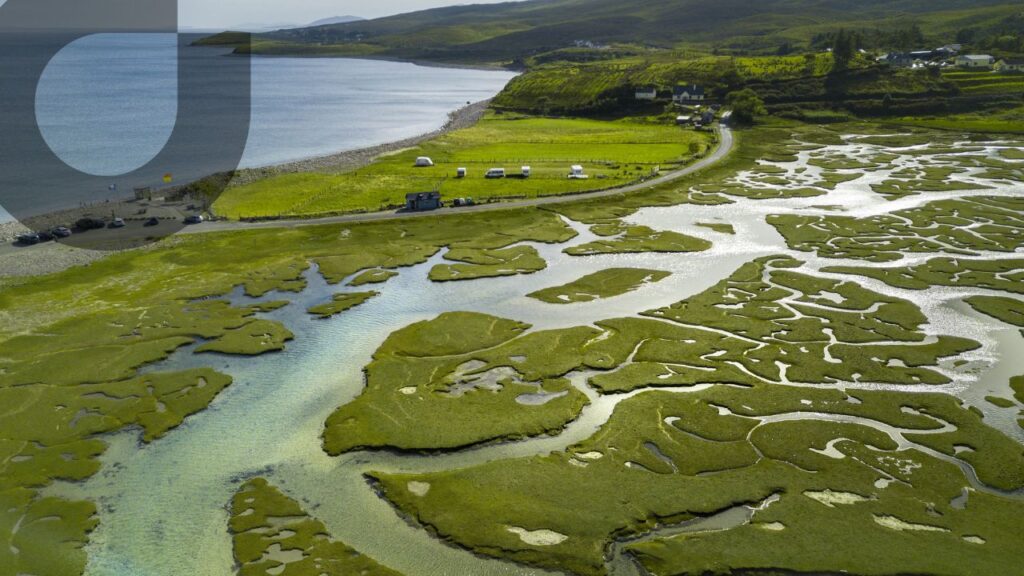
From Source to Sea: Governing the Unbroken Continuum of Water
From melting glaciers to deep oceans, water flows through a single system—yet we govern it in fragments. This article explores the growing momentum behind “source-to-sea” governance, highlighting its urgency, the lessons from Europe’s WFD and MSFD, and why integration is no longer optional. Desalination, microplastics, and nature-based solutions all show: the ocean’s future depends on freshwater decisions.

Water Crises: A Global Reality Check – Beyond Anecdotal Evidence
In 2025, water scarcity has become a global issue, affecting countries across various climates and economic levels. From urban infrastructure failure in Hyderabad, India, to excessive groundwater depletion in Tehran, Iran; from Zambia’s prolonged drought impacting food and energy security, to the Rio Grande’s decline threatening agriculture in the U.S.; and even in water-rich regions like the United Kingdom facing unprecedented dryness, the water crisis is widespread and systemic.

Toward a Water-Secure Europe: A CEO’s Perspective on the EU Water Resilience Strategy
The EU Water Resilience Strategy marks a paradigm shift in how Europe addresses its growing water challenges. In this article, I reflect on the strategic importance of water as a driver of competitiveness, climate resilience, and social equity. From nature-based solutions to digital innovation and fair pricing, the piece explores how Europe can lead globally, if it turns policy into action.
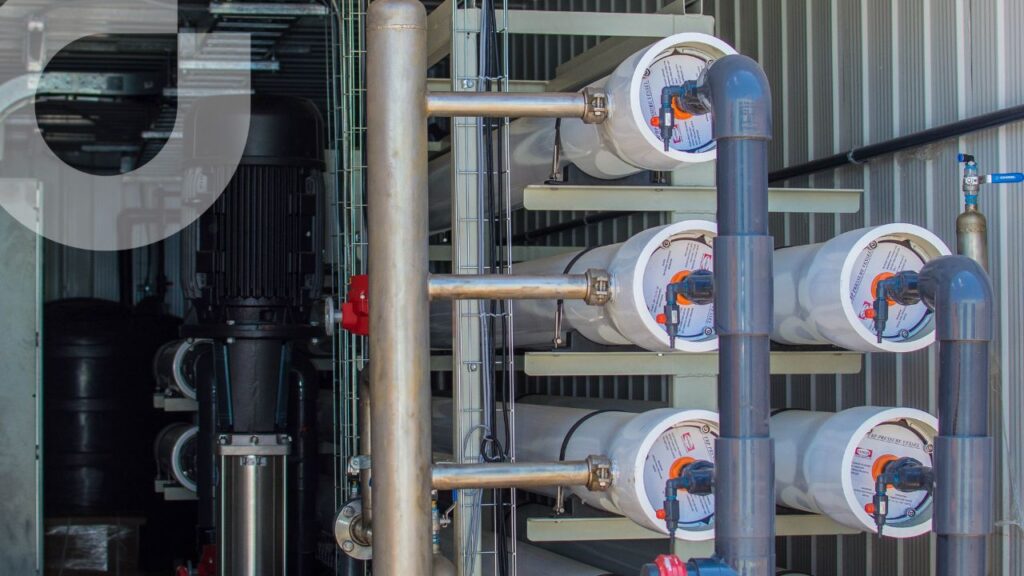
From Risk to Resilience: Rethinking Water Infrastructure in the Age of Climate Volatility
Amid escalating climate volatility, traditional water infrastructure design is increasingly outdated. This article explores how modular systems, nature-based solutions, and smart technologies can drive a shift toward hybrid, resilient, and adaptive water infrastructure. It also highlights the critical role of innovative governance, sustainable financing, and public-private partnerships in making this transition a reality.

Access to Finance: The Missing Ingredient for Scalable Water Solutions
As climate, biodiversity, and urbanization crises deepen, water is emerging as the cornerstone of resilience — yet it remains chronically underfunded. Despite its pivotal role in achieving the Sustainable Development Goals, water attracts only 3% of total climate finance, held back by fragmented projects, misaligned risk-reward models, and institutional bottlenecks.
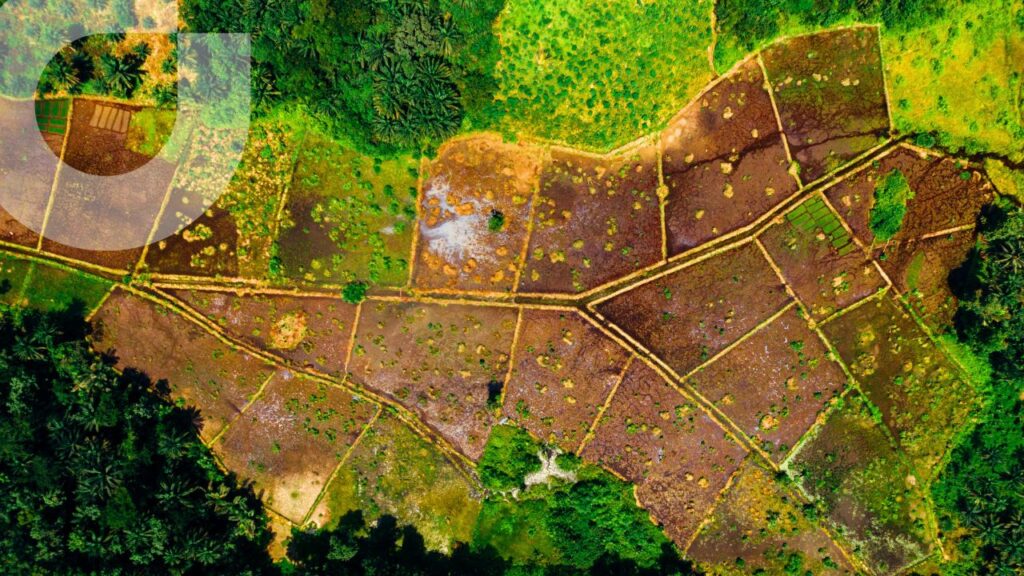
Water at the Root: Securing the World’s Food Future through Smarter Irrigation and Agricultural Water Management
Agriculture, the largest global consumer of water, stands at the epicenter of an emerging food crisis fueled by chronic underinvestment in irrigation and water management.
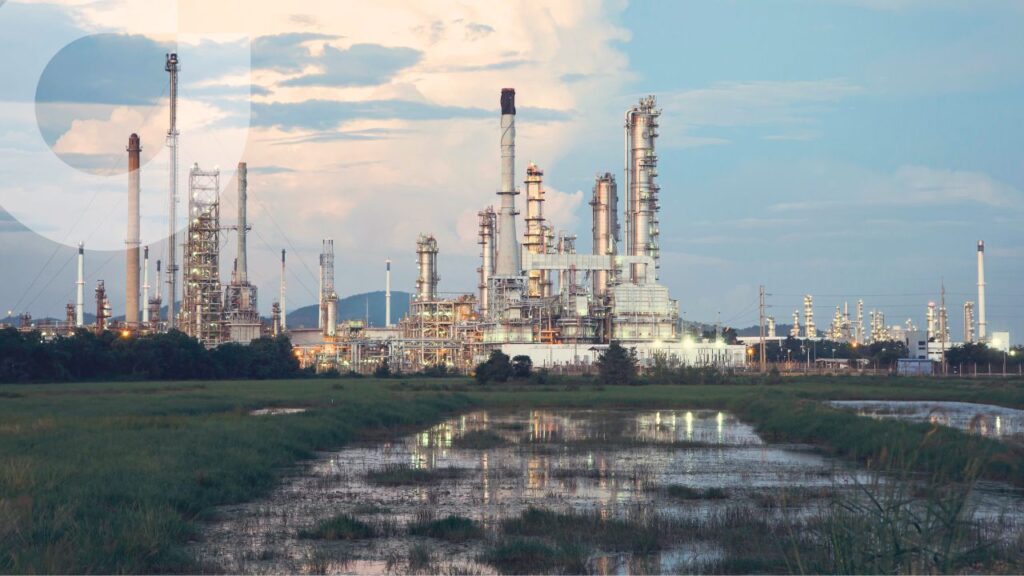
Chemical & Petrochemical Industries: The Untapped Potential for Sound Water Management
Chemical and petrochemical industries are often labeled as water-intensive and hard-to-abate. Yet, innovation in water reuse, AI-driven monitoring, and zero-liquid discharge systems is reshaping their future. This article explores breakthrough technologies and real-world case studies demonstrating how sustainable water management can unlock resilience, reduce risk, and drive operational efficiency across the sector.
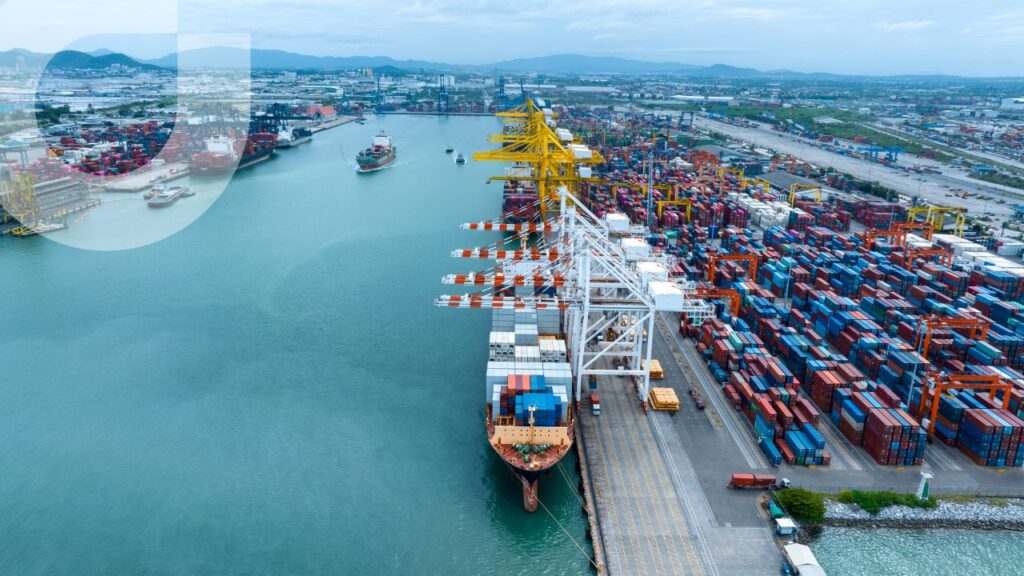
Hidden Currents: How Tariff Wars May Threaten Global Water Security
U.S. tariffs may unintentionally threaten global water security by disrupting trade flows that balance water distribution through the concept of “virtual water.” Shifts in production to water-scarce regions and reduced competitiveness of exporters could intensify water stress. To mitigate these risks, trade policies must consider water impacts and support sustainable practices.

Water and the Urban Century: Navigating Our Shared Future
As global urbanisation accelerates, water security emerges as one of the defining challenges—and opportunities—of our time. By 2050, nearly 70% of humanity will live in cities, with the most rapid growth occurring in secondary urban centres already facing acute water stress. This convergence of urban expansion and climate volatility puts immense pressure on outdated and overstretched water systems.