
When Capitals Run Dry: Water as the New Geography of Investment
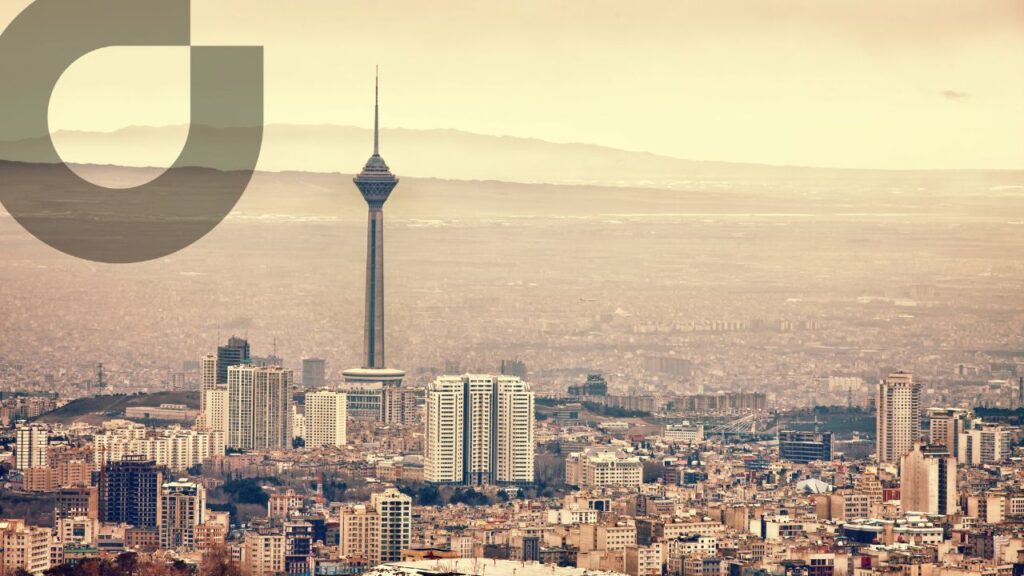
From Tehran to Jakarta, and Cairo to Lagos, national capitals are confronting a new reality: their future depends not only on political will or economic strength, but on their ability to secure water. This article explores how water scarcity and climate stress are forcing countries to rethink urban planning, relocate capitals, and redefine the meaning of capital investment. For policymakers and investors alike, this is not just a crisis—it’s an opportunity to build resilience and unlock the next frontier of sustainable infrastructure.
Investing in Water: Turning Impact into Measurable Outcomes

Water investment is no longer a niche, it’s a necessity. This article explores how impact and outcome-oriented investing can unlock scalable, measurable, and financially sound solutions to one of the world’s most urgent sustainability challenges. With insights into regulatory complexity, blended finance, and technological innovation, it positions water as a resilient, undercapitalized, and essential asset class.
Guaranteeing Water’s Future: Rethinking Risk and Finance in Emerging Markets

Guarantees are reshaping the landscape of water finance in emerging markets. With multilateral development banks increasingly deploying risk-sharing instruments, the sector is witnessing a shift from sovereign dependence to a model of shared risk and private participation. To unlock the trillions needed for SDG 6, guarantees must evolve—from project-based tools to portfolio-level, market-deepening, and performance-linked instruments, integrated with hydrological and governance frameworks.
Two Billion Denied: The Hidden Logics of Water Inequity
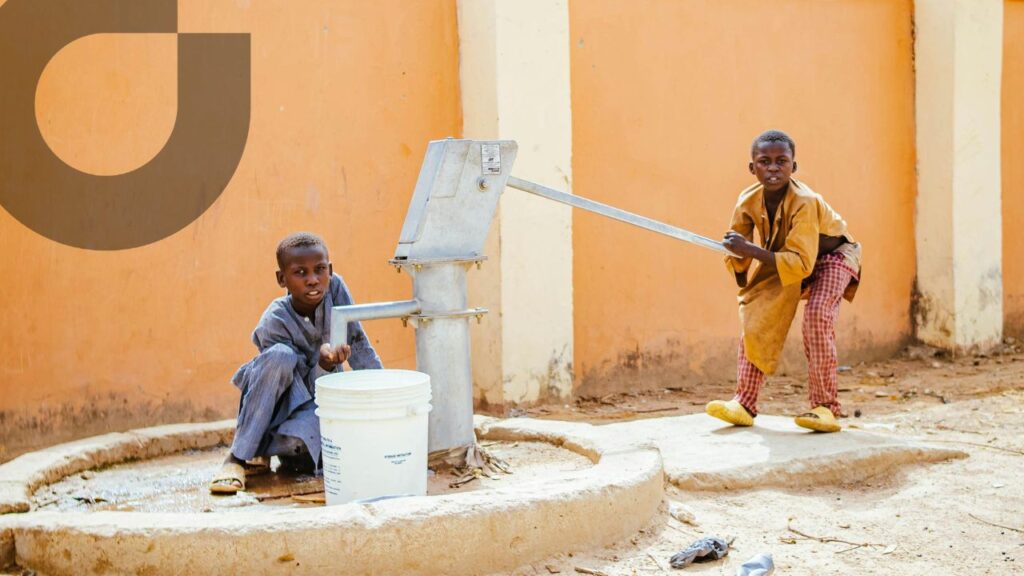
Despite progress towards SDG targets, 2.1 billion people still lack access to safe drinking water. This article uncovers the structural, spatial, and financial inequities behind the global water crisis and proposes a systems-integrated response—aligning WASH with water resource management, financing, and governance reform.
Blue Commitments, Real Gaps: Water Lessons from the HLPF and SDG Business Forum
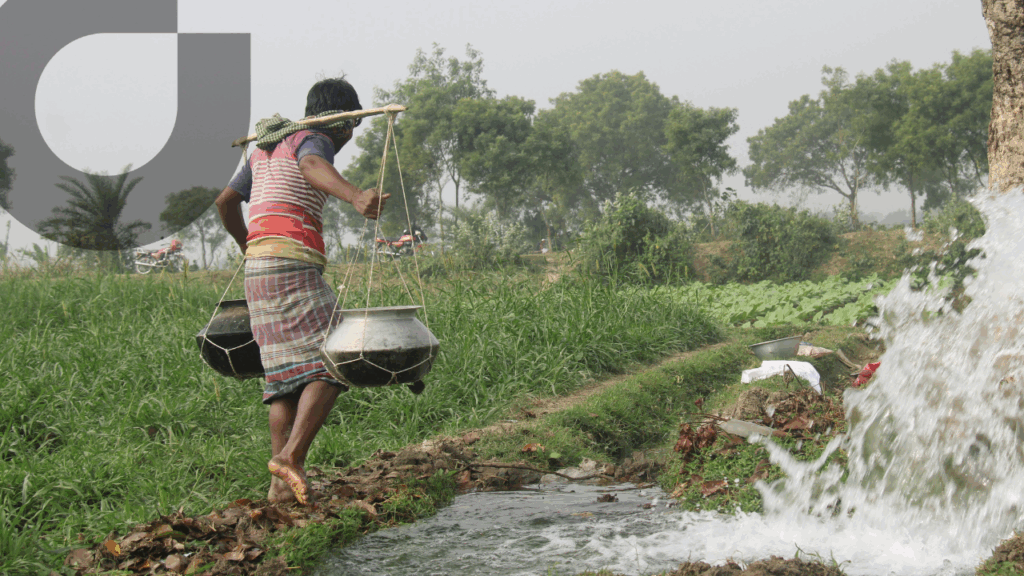
At the 2025 HLPF and SDG Business Forum, water featured prominently in speeches and pledges. But behind the bold commitments lies a pressing concern: are we measuring progress by coverage alone? This article calls for a shift toward service reliability, systemic integration, and equitable private-sector engagement to truly advance global water access.
Threading the Needle: Water Risks and Sustainable Water Use in the Textile Industry

The textile industry is both a major consumer and polluter of water, placing increasing pressure on local ecosystems and communities. As water scarcity and climate change intensify, responsible water management and circular practices are no longer optional — they are essential for the future of fashion.
Redefining Resilience in Desert Nations: Strategic Water Solutions for the Sustainable Transition in the Middle East

The Middle East is transforming water scarcity into opportunity. Through public-private partnerships, smart desalination, and bold governance reforms, countries like Saudi Arabia and the UAE are reshaping water resilience as a pillar of economic diversification, climate strategy, and regional diplomacy.
Fighting Fire with Water: The Global Shift from Reaction to Prevention
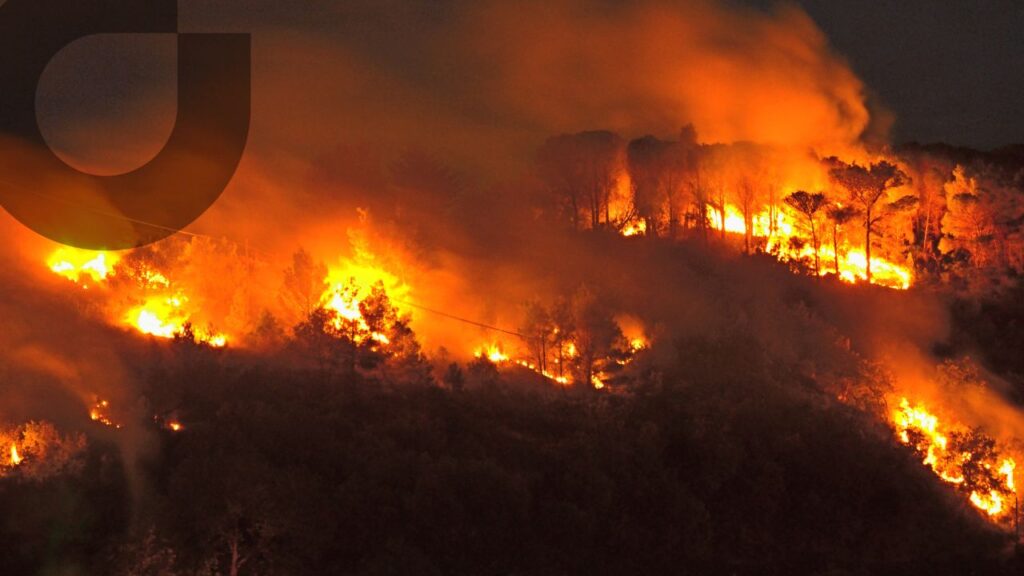
Every year, wildfires burn with greater force. The real solution is prevention, not reaction. By placing water management and active forest stewardship at the center of our strategies, we can transform vulnerable landscapes into resilient ecosystems.
The Need for Proactiveness: Confronting Global Drought Risk with Vision and Innovation
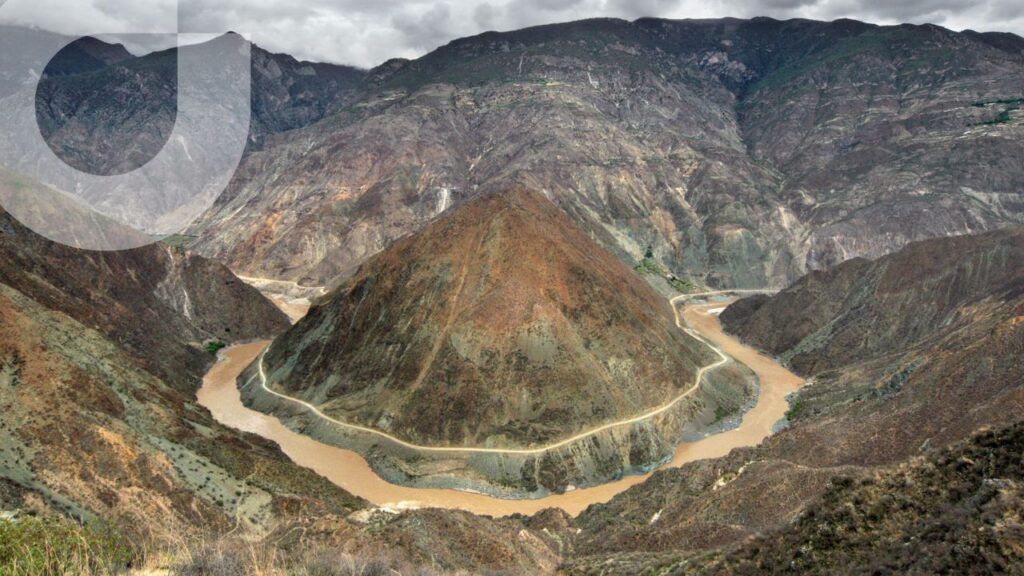
Drought is no longer a slow-moving anomaly but a global risk with profound social, economic, and ecological implications. In light of the OECD’s Global Drought Outlook, this article calls for a proactive transformation in how we value, manage, and invest in water, before the crisis deepens beyond return.
España frente al agua: entre la preocupación y la inacción
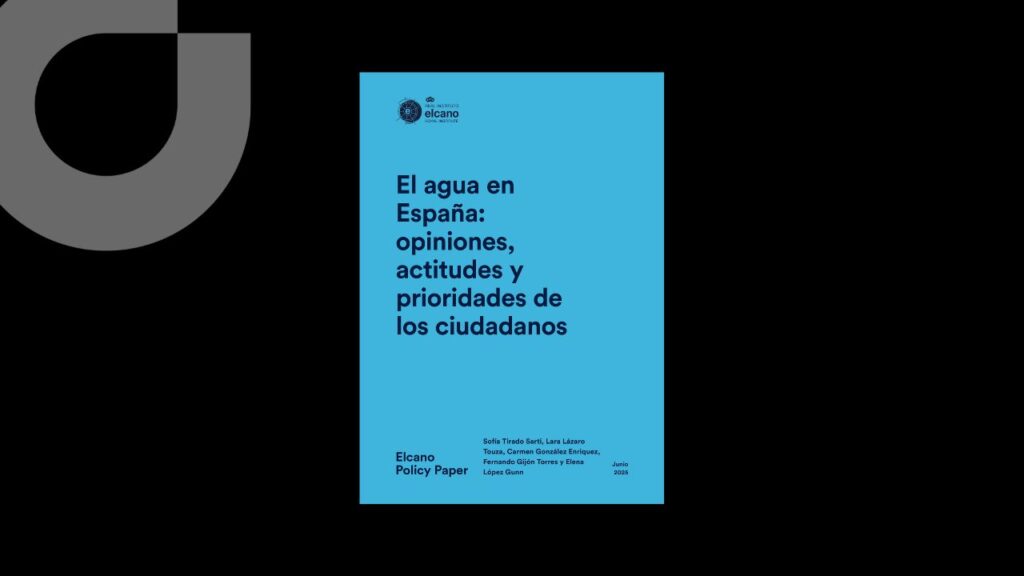
El reciente estudio del Real Instituto Elcano revela una ciudadanía altamente preocupada por la sequía, pero con escasa disposición a actuar. Carlos Cosín analiza las contradicciones clave que impiden un verdadero pacto social por el agua.