
Chile – The Economics of Water Security

Chile is entering a new era of water security. From desalination and water reuse to basin-level governance and private investment, the country is moving beyond water allocation towards building long-term resilience. This article explores the economic, regulatory and infrastructure challenges shaping Chile’s second water revolution.
Indonesia’s Water Gap: Where Urgent Social Need Meets an Investment Opportunity
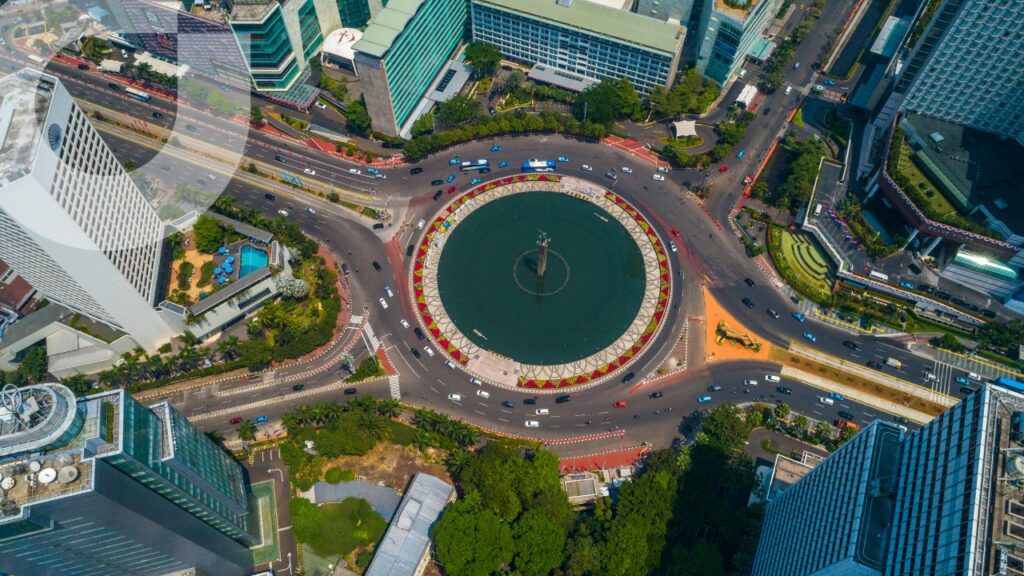
Indonesia’s water challenge goes far beyond infrastructure. With major gaps in safely managed water and sanitation, ambitious government targets and more than US$13 billion in investment needs, the country is emerging as a compelling test case for how private capital, technology and better utility economics can turn urgent social needs into bankable water infrastructure opportunities.
Water’s New Multiple: From Defensive Yield to Strategic Resilience
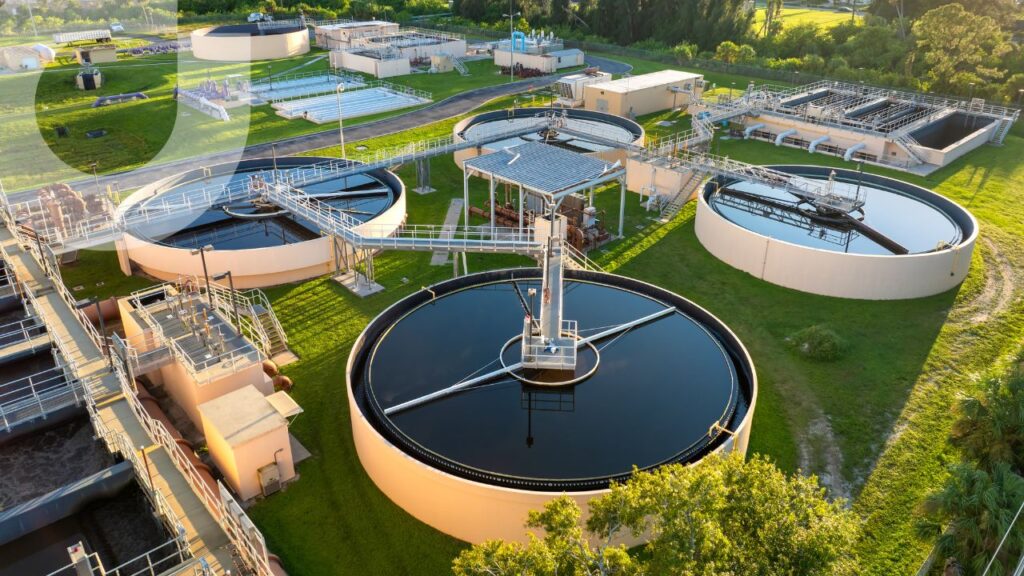
Water is evolving from a defensive infrastructure asset into a strategic resilience platform. As scarcity, climate volatility, regulation and industrial demand reshape the sector, the investment thesis is shifting toward companies capable of turning water risk into scalable, resilient growth.
Water Bankruptcy Is Real—But Capital Isn’t the Constraint
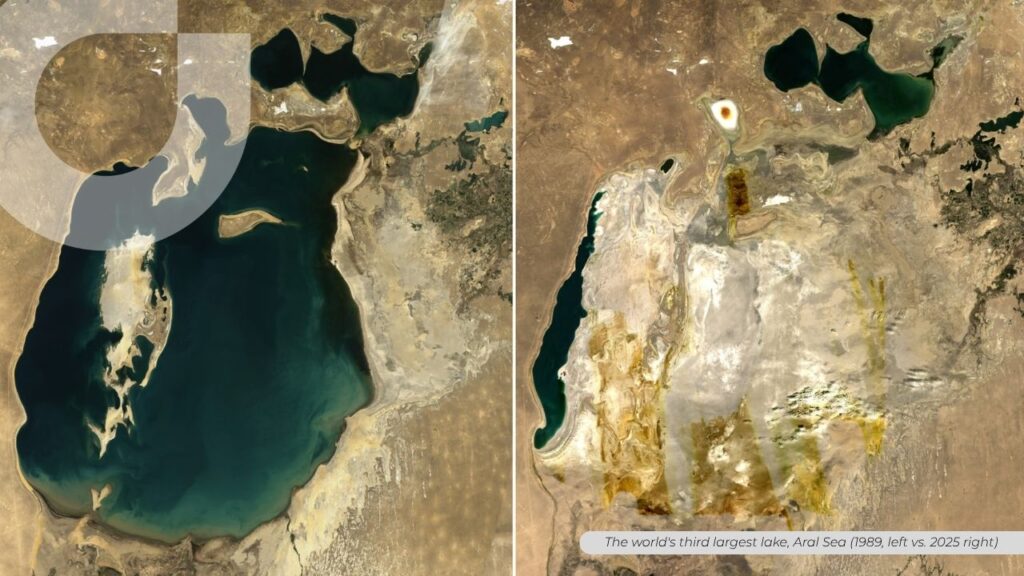
Water scarcity is no longer just an environmental challenge, it is a question of execution. As the UN warns of “water bankruptcy,” the real constraint is not capital availability but our ability to turn investment into resilient, scalable and investable water solutions.
Resource Risk Is Real. Relocation Risk Makes It Strategic.
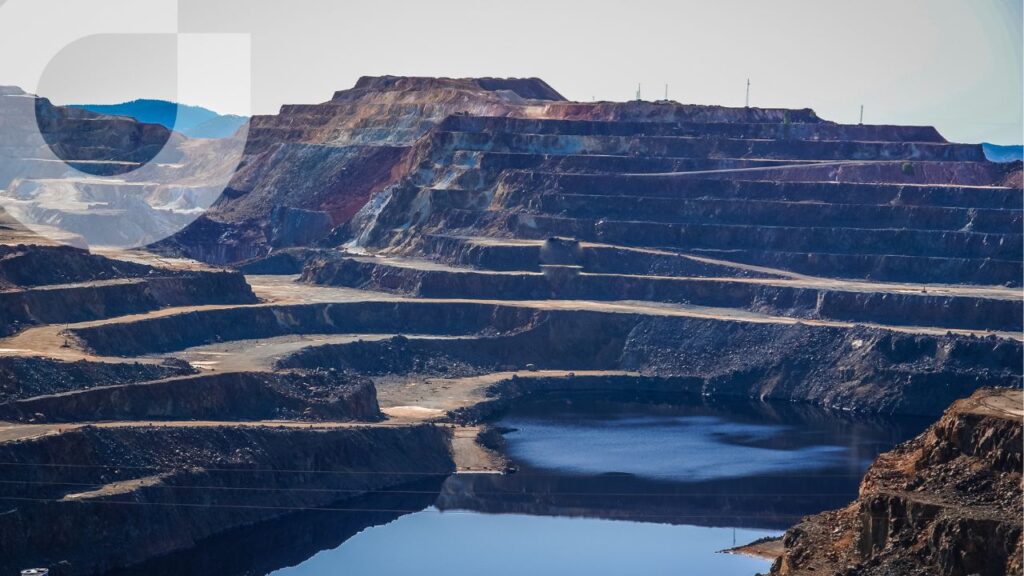
Water risk is not just an ESG issue; it is a strategic constraint tied to the local realities of each basin. Unlike other resources, water cannot be easily relocated or substituted, making industries and cities highly dependent on the resilience of the territories where they operate. As scarcity and volatility increase, water risk becomes a direct threat to operational continuity, asset value, and long-term competitiveness.
Water as a Strategic Asset: Externalising the Value Chain Is Here to Stay
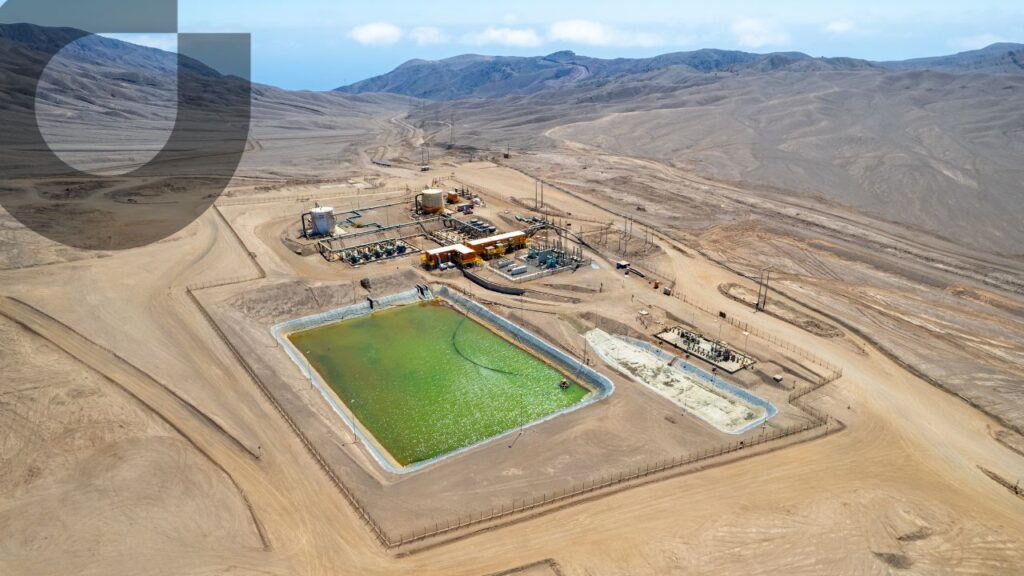
Water is no longer a peripheral resource for heavy industry—it has become central to core operations. Companies like Antofagasta Minerals and Saudi Aramco are moving away from owning and operating their own water infrastructure, instead partnering with specialised providers under long-term agreements. This shift allows them to secure reliable, scalable water supply while focusing on their primary business activities and allocating capital more efficiently.
Water Needs its Artemis Moment

The launch of Artemis II in 2026 demonstrates that when societies define a clear goal, commit to a long‑term horizon, and align public, private, and scientific capabilities, they can still deliver complex outcomes at scale. Beyond space exploration, Artemis offers a critical lesson for Earth: ambition only becomes real when it is organised. This insight is particularly relevant for water.
The WFD Turns 25: Time to Scale What Works—and Fix What Doesn’t
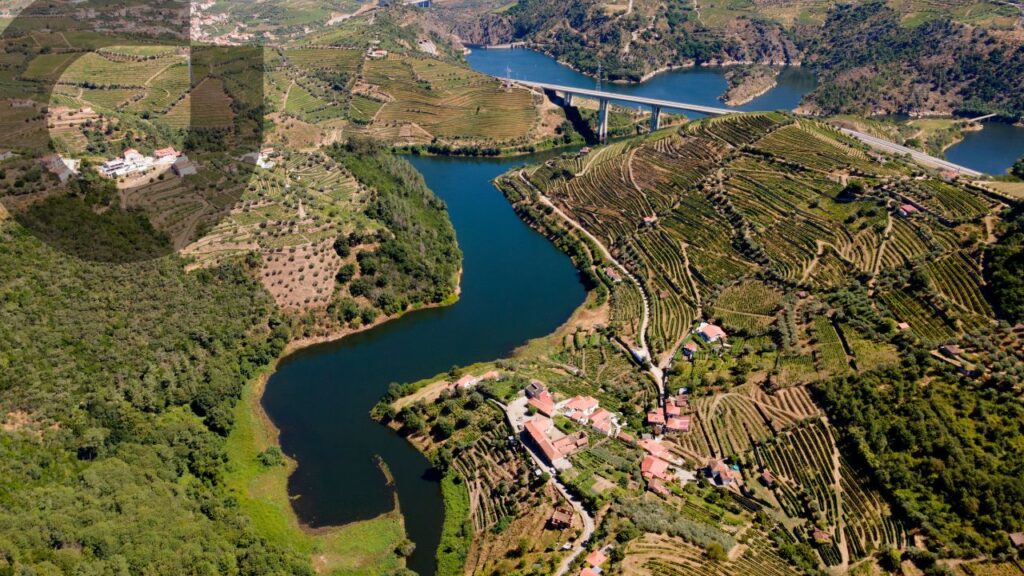
Europe’s Water Framework Directive turns 25 with a mixed record: a robust governance model, but slow delivery on outcomes. The real challenge now is not redesigning policy, but scaling execution—aligning funding, incentives, and cross-sector action to turn river basin plans into measurable impact.
Floods: Why Spain’s Exceptional Rains Don’t Resolve Long-Term Water Scarcity
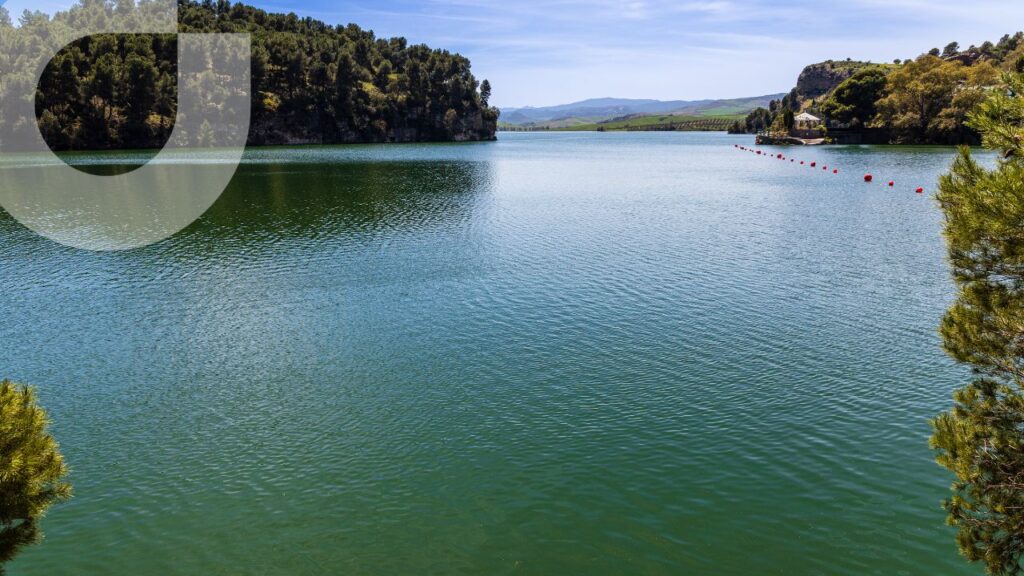
Spain’s recent wave of exceptional rainfall has brought much-needed relief after years of drought. Reservoirs are filling and restrictions may ease. Yet this meteorological episode does not resolve the country’s structural water scarcity. As extreme rainfall events intensify under climate change, the challenge is not simply how much rain falls, but how water systems capture, manage, and store it. Spain’s experience illustrates a broader lesson: floods can relieve short-term pressure, but long-term resilience depends on infrastructure, governance, and investment in smarter water management.
When Water Meets Law: Structuring Complexity for a Water-Stressed World

Water infrastructure is no longer shaped by engineering alone. In a climate-volatile and financially complex world, contracts have become the true operating system of cooperation between public authorities, financiers, and private operators. As water projects integrate blended finance, digital intelligence, and multi-dimensional performance metrics, the legal architecture behind them must evolve from static risk allocation to adaptive governance. The future of water will be built not only in treatment plants and desalination facilities, but in the legal frameworks that design resilience.