
Indonesia’s Water Gap: Where Urgent Social Need Meets an Investment Opportunity
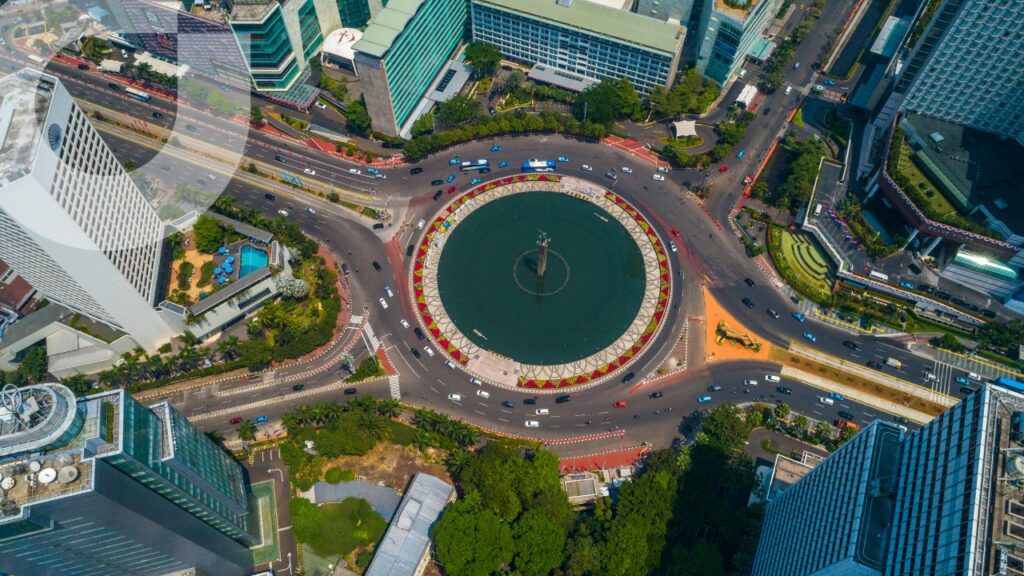
Indonesia’s water challenge goes far beyond infrastructure. With major gaps in safely managed water and sanitation, ambitious government targets and more than US$13 billion in investment needs, the country is emerging as a compelling test case for how private capital, technology and better utility economics can turn urgent social needs into bankable water infrastructure opportunities.
Water’s New Multiple: From Defensive Yield to Strategic Resilience
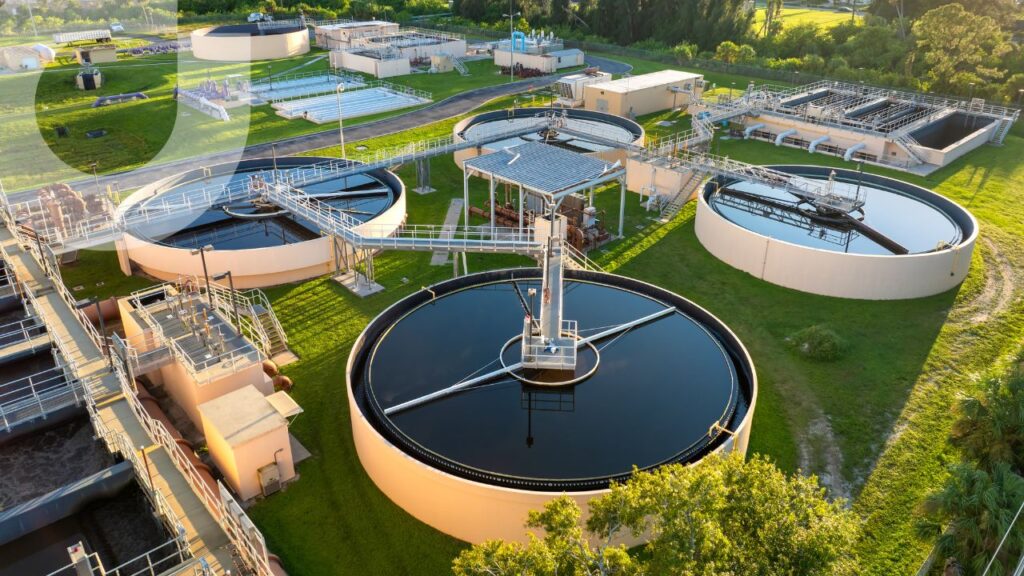
Water is evolving from a defensive infrastructure asset into a strategic resilience platform. As scarcity, climate volatility, regulation and industrial demand reshape the sector, the investment thesis is shifting toward companies capable of turning water risk into scalable, resilient growth.
Resource Risk Is Real. Relocation Risk Makes It Strategic.

Water risk is not just an ESG issue; it is a strategic constraint tied to the local realities of each basin. Unlike other resources, water cannot be easily relocated or substituted, making industries and cities highly dependent on the resilience of the territories where they operate. As scarcity and volatility increase, water risk becomes a direct threat to operational continuity, asset value, and long-term competitiveness.
Water as a Strategic Asset: Externalising the Value Chain Is Here to Stay
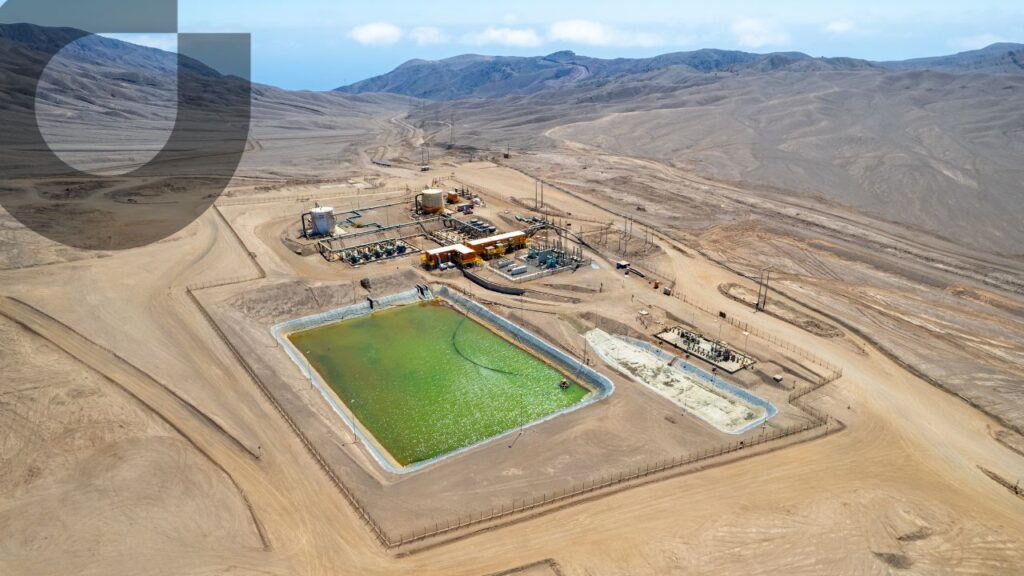
Water is no longer a peripheral resource for heavy industry—it has become central to core operations. Companies like Antofagasta Minerals and Saudi Aramco are moving away from owning and operating their own water infrastructure, instead partnering with specialised providers under long-term agreements. This shift allows them to secure reliable, scalable water supply while focusing on their primary business activities and allocating capital more efficiently.
When Water Meets Law: Structuring Complexity for a Water-Stressed World

Water infrastructure is no longer shaped by engineering alone. In a climate-volatile and financially complex world, contracts have become the true operating system of cooperation between public authorities, financiers, and private operators. As water projects integrate blended finance, digital intelligence, and multi-dimensional performance metrics, the legal architecture behind them must evolve from static risk allocation to adaptive governance. The future of water will be built not only in treatment plants and desalination facilities, but in the legal frameworks that design resilience.
When Capitals Run Dry: Water as the New Geography of Investment
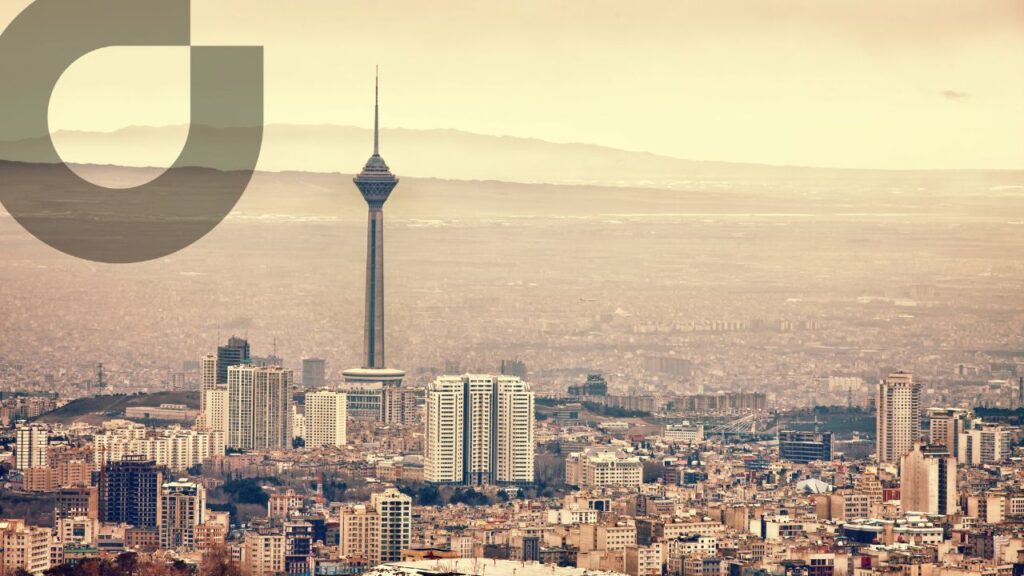
From Tehran to Jakarta, and Cairo to Lagos, national capitals are confronting a new reality: their future depends not only on political will or economic strength, but on their ability to secure water. This article explores how water scarcity and climate stress are forcing countries to rethink urban planning, relocate capitals, and redefine the meaning of capital investment. For policymakers and investors alike, this is not just a crisis—it’s an opportunity to build resilience and unlock the next frontier of sustainable infrastructure.
Investing in Water: Turning Impact into Measurable Outcomes

Water investment is no longer a niche, it’s a necessity. This article explores how impact and outcome-oriented investing can unlock scalable, measurable, and financially sound solutions to one of the world’s most urgent sustainability challenges. With insights into regulatory complexity, blended finance, and technological innovation, it positions water as a resilient, undercapitalized, and essential asset class.
Guaranteeing Water’s Future: Rethinking Risk and Finance in Emerging Markets

Guarantees are reshaping the landscape of water finance in emerging markets. With multilateral development banks increasingly deploying risk-sharing instruments, the sector is witnessing a shift from sovereign dependence to a model of shared risk and private participation. To unlock the trillions needed for SDG 6, guarantees must evolve—from project-based tools to portfolio-level, market-deepening, and performance-linked instruments, integrated with hydrological and governance frameworks.
Threading the Needle: Water Risks and Sustainable Water Use in the Textile Industry

The textile industry is both a major consumer and polluter of water, placing increasing pressure on local ecosystems and communities. As water scarcity and climate change intensify, responsible water management and circular practices are no longer optional — they are essential for the future of fashion.
Redefining Resilience in Desert Nations: Strategic Water Solutions for the Sustainable Transition in the Middle East

The Middle East is transforming water scarcity into opportunity. Through public-private partnerships, smart desalination, and bold governance reforms, countries like Saudi Arabia and the UAE are reshaping water resilience as a pillar of economic diversification, climate strategy, and regional diplomacy.