
From Source to Sea: Governing the Unbroken Continuum of Water
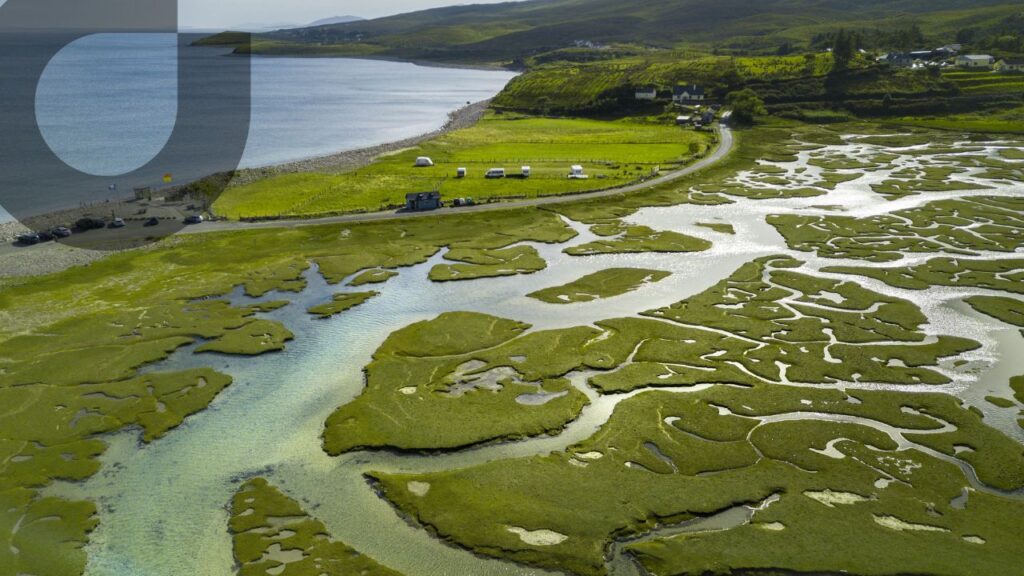
From melting glaciers to deep oceans, water flows through a single system—yet we govern it in fragments. This article explores the growing momentum behind “source-to-sea” governance, highlighting its urgency, the lessons from Europe’s WFD and MSFD, and why integration is no longer optional. Desalination, microplastics, and nature-based solutions all show: the ocean’s future depends on freshwater decisions.
Water Crises: A Global Reality Check – Beyond Anecdotal Evidence

In 2025, water scarcity has become a global issue, affecting countries across various climates and economic levels. From urban infrastructure failure in Hyderabad, India, to excessive groundwater depletion in Tehran, Iran; from Zambia’s prolonged drought impacting food and energy security, to the Rio Grande’s decline threatening agriculture in the U.S.; and even in water-rich regions like the United Kingdom facing unprecedented dryness, the water crisis is widespread and systemic.
From Risk to Resilience: Rethinking Water Infrastructure in the Age of Climate Volatility
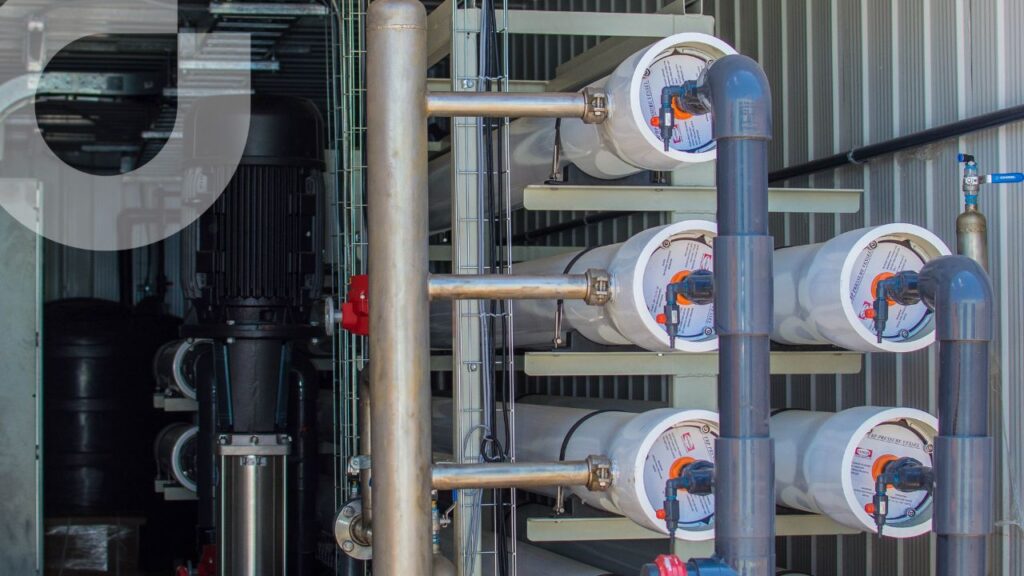
Amid escalating climate volatility, traditional water infrastructure design is increasingly outdated. This article explores how modular systems, nature-based solutions, and smart technologies can drive a shift toward hybrid, resilient, and adaptive water infrastructure. It also highlights the critical role of innovative governance, sustainable financing, and public-private partnerships in making this transition a reality.
Access to Finance: The Missing Ingredient for Scalable Water Solutions

As climate, biodiversity, and urbanization crises deepen, water is emerging as the cornerstone of resilience — yet it remains chronically underfunded. Despite its pivotal role in achieving the Sustainable Development Goals, water attracts only 3% of total climate finance, held back by fragmented projects, misaligned risk-reward models, and institutional bottlenecks.
Water at the Root: Securing the World’s Food Future through Smarter Irrigation and Agricultural Water Management

Agriculture, the largest global consumer of water, stands at the epicenter of an emerging food crisis fueled by chronic underinvestment in irrigation and water management.
Chemical & Petrochemical Industries: The Untapped Potential for Sound Water Management
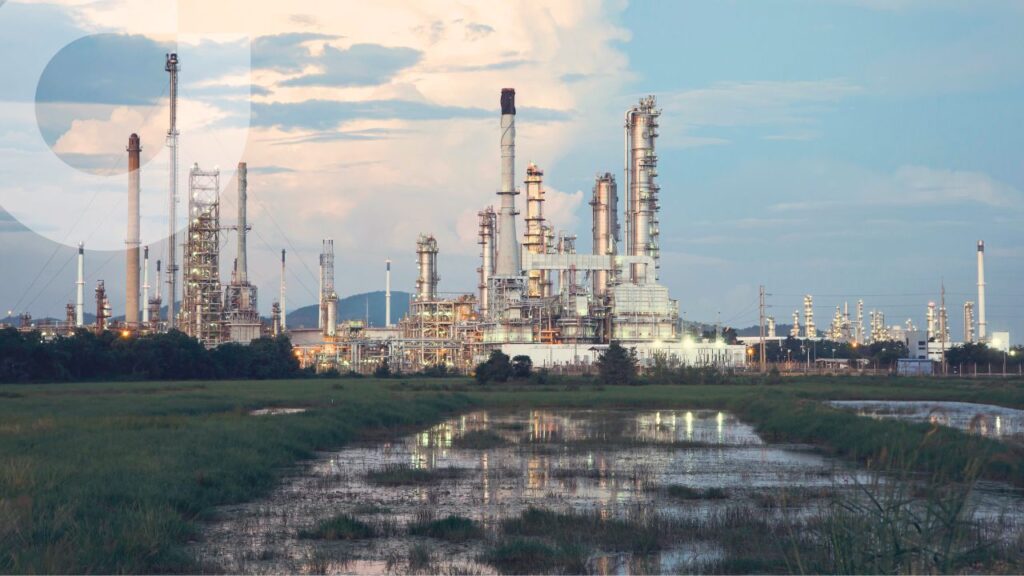
Chemical and petrochemical industries are often labeled as water-intensive and hard-to-abate. Yet, innovation in water reuse, AI-driven monitoring, and zero-liquid discharge systems is reshaping their future. This article explores breakthrough technologies and real-world case studies demonstrating how sustainable water management can unlock resilience, reduce risk, and drive operational efficiency across the sector.
Hidden Currents: How Tariff Wars May Threaten Global Water Security
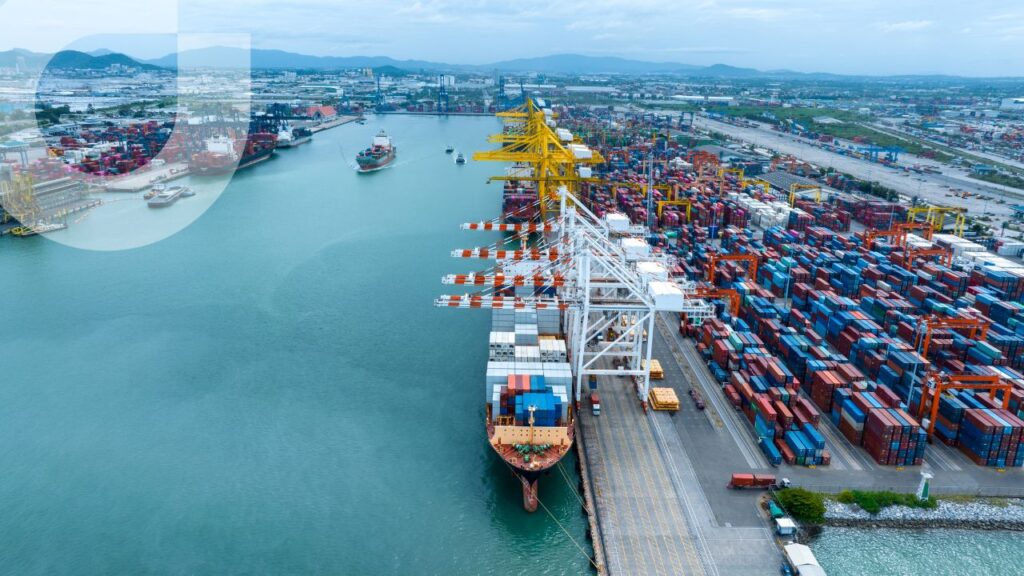
U.S. tariffs may unintentionally threaten global water security by disrupting trade flows that balance water distribution through the concept of “virtual water.” Shifts in production to water-scarce regions and reduced competitiveness of exporters could intensify water stress. To mitigate these risks, trade policies must consider water impacts and support sustainable practices.
Water and the Urban Century: Navigating Our Shared Future

As global urbanisation accelerates, water security emerges as one of the defining challenges—and opportunities—of our time. By 2050, nearly 70% of humanity will live in cities, with the most rapid growth occurring in secondary urban centres already facing acute water stress. This convergence of urban expansion and climate volatility puts immense pressure on outdated and overstretched water systems.
Water as a Strategic Driver of Competitiveness for Economies and Businesses

Water is more than a necessity—it is a strategic driver of global competitiveness. From shaping industrial productivity to influencing trade flows, water management plays a crucial role in economic resilience.
The Pivotal Role of Nature Finance in Driving Water Investments

Nature finance is reshaping water investments by aligning financial capital with sustainability. As the global water crisis intensifies, green bonds and sustainability-linked loans are driving innovation in water infrastructure and conservation. The private sector must take the lead in transforming water into a strategic and resilient asset.